
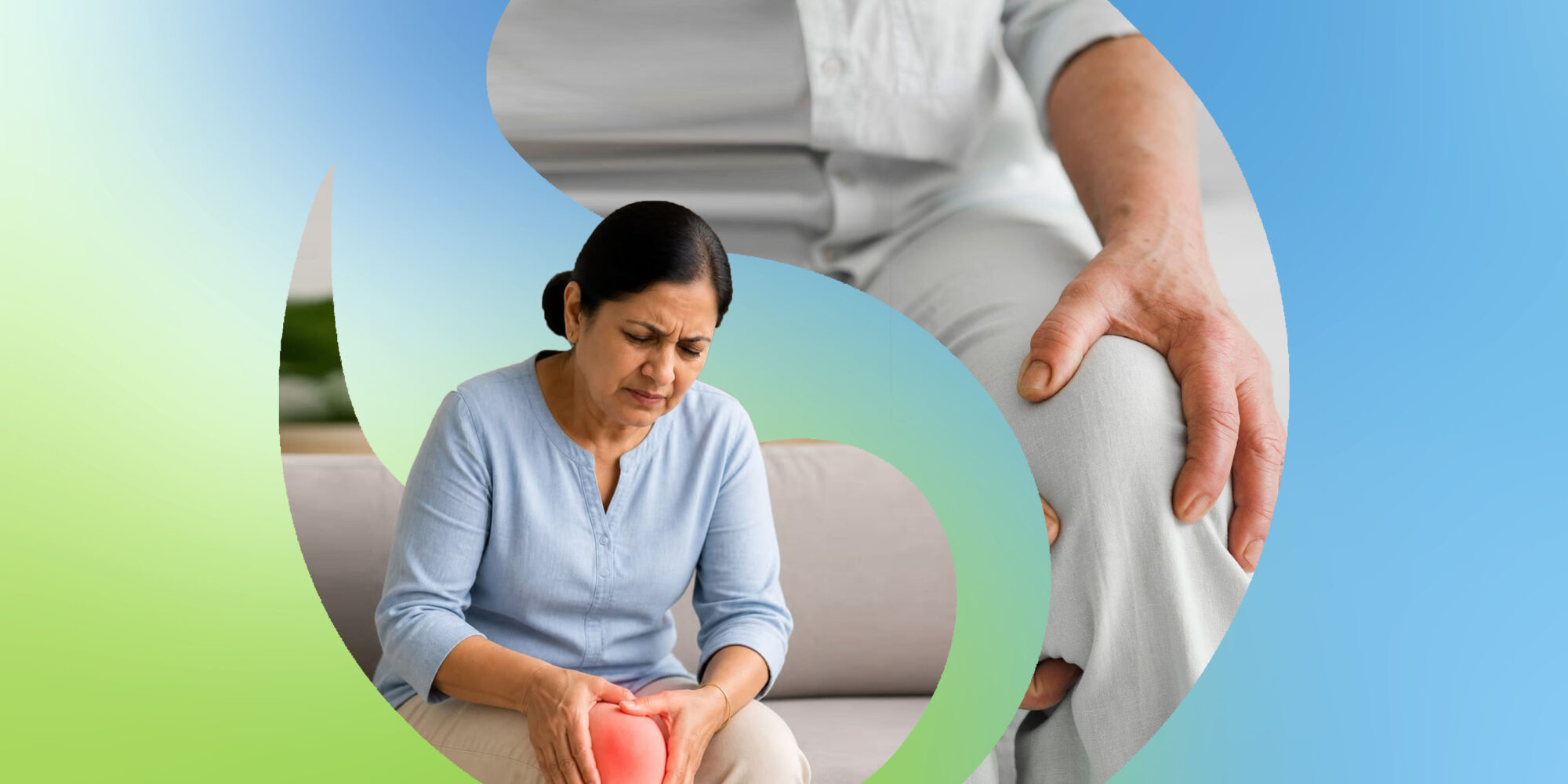
Many adults notice that movement feels different after the age of 40. Activities that once felt effortless may become more challenging due to stiffness, reduced flexibility, or occasional joint discomfort. While aging is a natural process, understanding why these changes occur can help individuals take proactive steps to maintain mobility.
As we age, the body’s tissues gradually change. Cartilage, which cushions the joints, may become less resilient over time. Muscle mass naturally declines, flexibility decreases, and recovery from physical activity often takes longer than it did in younger years. These changes can contribute to feelings of stiffness, especially after periods of inactivity.
Lifestyle factors also play a significant role. Long hours of sitting, limited physical activity, poor posture, and repetitive movements can place additional stress on joints and surrounding muscles. Excess body weight may further increase pressure on weight-bearing joints such as the knees and hips.
The good news is that mobility can often be supported through healthy lifestyle choices. Regular movement, stretching, strength training, proper hydration, and wellness-focused therapies can help maintain flexibility and support overall joint health.
Recovery is another important factor. As the body ages, it becomes increasingly important to prioritize recovery and allow tissues adequate time to repair. Therapeutic massage, mobility-focused treatments, and relaxation therapies may help support physical comfort and movement.
At High Stone Holistic Wellness, we work with individuals who want to stay active and maintain their quality of life as they age. Our holistic approach focuses on supporting mobility, recovery, and overall wellness. While some age-related changes are inevitable, many people can continue enjoying an active lifestyle by taking proactive steps to care for their bodies and support healthy movement for years to come.